- Why the right finance keynote matters more in 2026
- The four profiles of financial services keynote speakers
- What you should budget in 2026
- Artificial intelligence is rewriting the finance brief
- The macro story your audience is actually living
- How to brief a speaker so the talk lands
- Formats that work for a finance event
- How to book financial services keynote speakers through The Keynote Curators
- Frequently asked questions
- How we help you find the right keynote speaker for your audience
- Sources
A finance audience is one of the hardest rooms a speaker can walk into. The people in the seats read earnings calls for a living, price risk before lunch, and can spot a recycled slide deck from the back of the ballroom. Book the wrong keynote and you lose the room in the first three minutes. Book the right one and you set a tone the audience quotes for the rest of the event. This guide is for the planner who wants to get that decision right in 2026, with a clear view of who to book, what to budget, and how to brief them so the talk lands.
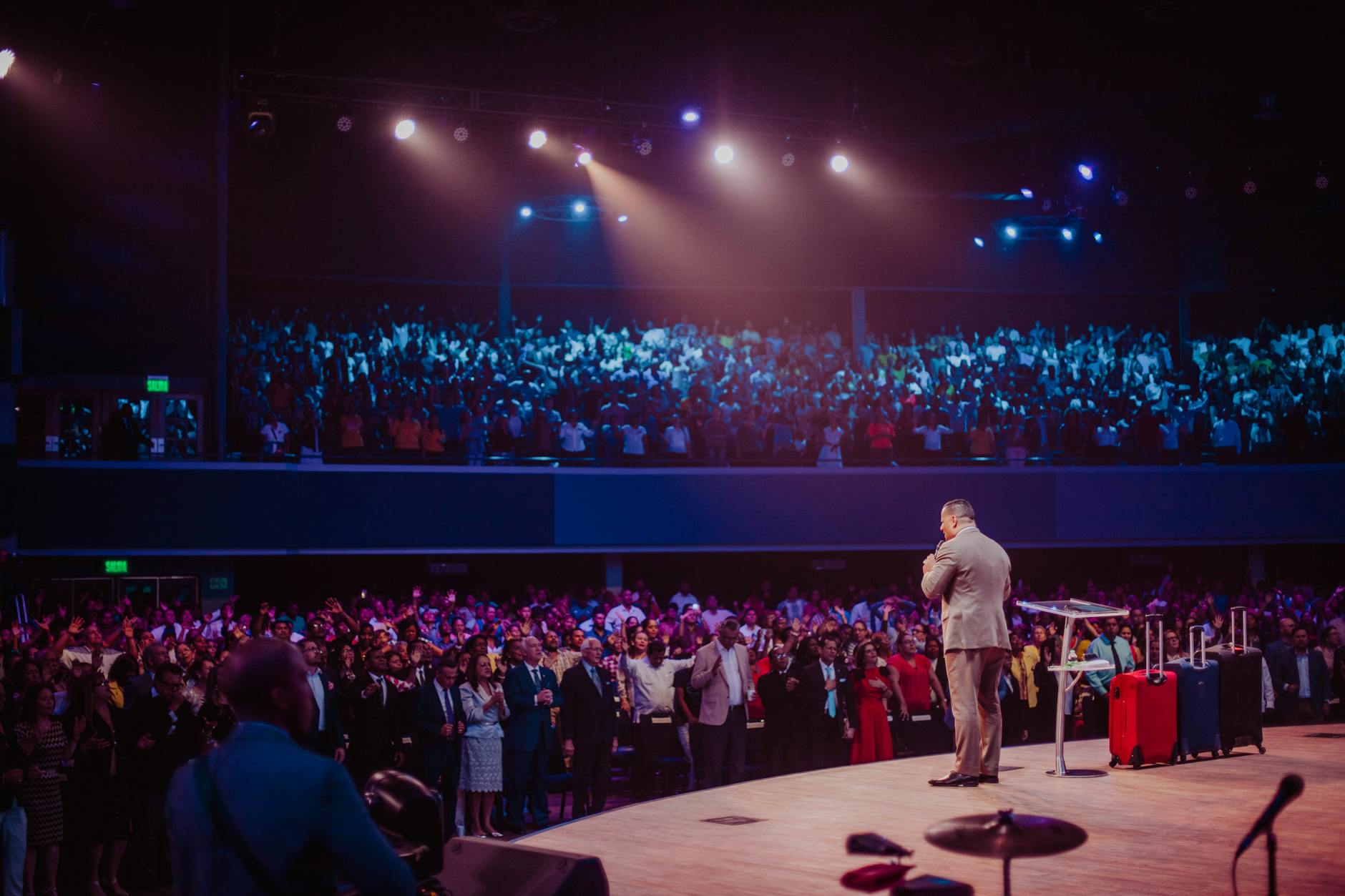
Why the right finance keynote matters more in 2026
The backdrop has rarely been more demanding. The global events industry is valued at 1.46 trillion dollars in 2026 and still growing, which means your audience has more events competing for their time than ever. They will not give a flagship session their full attention out of politeness. They give it because the speaker earns it. The good news is that planners are entering the year with confidence: 85 percent of meeting professionals are optimistic about the state of meetings and events in 2026. That optimism only converts into a successful conference if the headline content is strong.
For financial services in particular, the stakes are higher because the subject matter is moving fast. The interest rate path is uncertain, the regulatory conversation keeps shifting, and artificial intelligence has gone from a panel topic to a line item in nearly every institution’s operating plan. A keynote speaker has to do more than survey the headlines. They have to tell a room of practitioners something they had not already priced in. That is a high bar, and it is exactly why the selection process deserves care.
The four profiles of financial services keynote speakers
It helps to stop thinking about a single market of “finance speakers” and start thinking about distinct profiles, each suited to a different job on your agenda. Most of the speakers planners ask us about fall into one of four groups.
The first is the economic and markets voice. These are the analysts, economists, and former policymakers who explain where the economy is heading and what it means for the room. They are the natural choice when you need an authoritative read on the rate environment or the year ahead. The second is the artificial intelligence operator, someone who works inside the technology rather than narrating it from the outside, and can tell a finance audience where the returns are real and where the risk is underpriced. The third is the regulation and risk authority, valued at compliance summits, board forums, and any event where the audience needs to understand what is coming before it arrives. The fourth is the leadership and culture voice, which suits sales kick-offs, advisor conferences, and any event whose real goal is to send people back to their desks energised rather than merely informed.
The table below maps these profiles to the events we place them in front of most often, and to the question each is briefed to answer.
| Speaker profile | Best-fit events | The question they answer |
|---|---|---|
| Economic and markets voice | Bank client summits, wealth and investment conferences, CFO forums | Where is the economy heading and what should we do about it? |
| Artificial intelligence operator | Fintech events, innovation summits, technology leadership days | Where does AI genuinely change our business and where is it still hype? |
| Regulation and risk authority | Compliance summits, board forums, risk and audit conferences | What is changing in the rules and how do we get ahead of it? |
| Leadership and culture voice | Sales kick-offs, advisor conferences, all-hands events | How do we get our people to perform when the ground keeps shifting? |
What you should budget in 2026
Fees move with profile, format, travel, date, and how much custom preparation the event needs, so any honest guide gives you bands rather than a single number. We confirm an exact figure on enquiry because a published price goes stale the moment a speaker writes a new book or lands a bigger media platform. As general market context for 2026, premium financial services keynote speakers tend to fall into the ranges below. Treat this as a tool for framing a budget conversation, not as a quote.
| Tier | Profile | Indicative market range (USD) |
|---|---|---|
| Established expert | Sector authority with a strong regional draw | 20,000 to 40,000 |
| Marquee analyst or author | National media profile, headline billing | 40,000 to 75,000 |
| Celebrity economist or former official | Globally recognised name | 75,000 and above |
A few factors push a fee toward the top of a band. Heavy customisation, a multi-part engagement that includes a workshop or executive briefing, international travel, and a tight date all add to the figure. The single biggest lever, though, is profile. A sitting senior practitioner or a former central banker commands a premium precisely because the room cannot get that perspective anywhere else.
Artificial intelligence is rewriting the finance brief
If there is one theme reshaping what finance audiences want from a keynote in 2026, it is artificial intelligence, and the numbers explain why. In banking, adoption has moved from pilot to production, with the share of banks deploying generative AI tactically rising from a small minority two years ago to a clear majority today. The market for generative AI in financial services reflects the same momentum, expanding from roughly 1.89 billion dollars in 2025 to an estimated 2.48 billion in 2026 and projected to climb sharply through the end of the decade.
Those numbers are exactly why a generic technology futurist falls flat in a finance room. The audience does not need to be told that AI is coming. They are already deploying it and they want a speaker who can separate the part of the story that is already changing how research desks and risk teams work from the part that is still a promise on an investor deck. The best AI keynote speakers for finance audiences speak as operators, name the failure modes honestly, and bring the conversation back to the audience’s own decisions about what to fund, what to pilot, and what to wait out.

The macro story your audience is actually living
The other perennial draw is the economic outlook, and 2026 has given audiences plenty to worry about. The Federal Reserve held its target range at 3.50 to 3.75 percent at its spring meeting, and markets have repriced the odds of cuts later in the year as energy costs and inflation uncertainty have crept back into the picture. For a bank, a wealth manager, or an advisory firm, that ambiguity is the whole conversation. Clients are nervous, and the people in your audience need language they can take straight back to those clients.
A strong economic outlook speaker does not pretend to know the unknowable. They explain what changed, name the indicator they actually watch rather than the one that makes a clean headline, and are candid about where the data is genuinely uncertain. That honesty is what separates a keynote the audience trusts from a forecast they quietly discount.
How to brief a speaker so the talk lands
The work that makes a finance keynote succeed happens before the speaker reaches the stage. The single most useful thing a planner can do is run a scoping call and answer three questions clearly: who is in the room, what is the theme of the event, and what is the one thing you most want the audience to take away. A good speaker uses those answers to decide which threads to pull and how blunt to be about the current outlook.
Be specific about sensitivities. If your firm has just been through a merger, a regulatory action, or a difficult quarter, say so, because a speaker who is briefed can navigate around it gracefully and one who is not can walk straight into it. Share the agenda so the keynote complements the breakouts rather than repeating them. And agree the format early, because a fireside chat needs a strong host and a workshop needs the room set up differently from a plenary.
Formats that work for a finance event
A plenary keynote is rarely the only way to use a speaker of this calibre. We commonly structure engagements in the formats below, and often combine two in a single booking to stretch the value across the whole programme.
| Format | Best for | Typical run time |
|---|---|---|
| Keynote | Setting the macro and markets frame for the whole event | 30 to 45 minutes |
| Fireside chat | A tailored conversation led by your host or a senior executive | 30 to 40 minutes |
| Executive briefing | A closed-door session for the board or leadership team | 45 to 90 minutes |
| Workshop | Turning insight into a practical plan for a smaller group | 60 to 120 minutes |
How to book financial services keynote speakers through The Keynote Curators
We represent finance speakers as part of a curated roster, which means the conversation starts with your event rather than with a calendar. Tell us the audience, the outcome you want the room to leave with, and the date, and we will confirm availability, recommend the right profile, and manage the brief so the talk lands on your agenda rather than a generic one. You can talk to our team to check availability, or browse the wider financial services roster if you want to compare two or three voices before you commit. Planning a cross-industry event instead? The broader bench at The Keynote Curators spans leadership, technology, and healthcare as well, and our guide to keynote speaker fees goes deeper on budgeting.
The short version is this. A finance audience will give its full attention to a speaker who tells them something they had not already priced in, and withholds it from everyone else. The earlier you start the conversation, the more room there is to shape the talk around your audience rather than around a generic outlook. Tell us what you want the room to walk away believing, and we will handle the rest.
Frequently asked questions
How much do financial services keynote speakers cost in 2026?
Most premium finance speakers fall between 20,000 and 75,000 dollars, with globally recognised economists and former officials commanding more. The final figure depends on profile, format, travel, date, and how much custom preparation the talk needs, so we confirm an exact fee on enquiry.
What is the most in-demand finance keynote topic right now?
Artificial intelligence in finance and the economic and rate outlook are the two clear leaders for 2026, often within the same talk. Audiences want an operator’s view of where AI genuinely changes the business and an honest read on where the economy is heading.
How far in advance should we book?
For a marquee speaker, three to six months is comfortable and twelve months is not unusual for a flagship annual conference. The earlier you start, the more availability you have and the more time the speaker has to customise.
Can finance speakers deliver virtual and hybrid sessions?
Yes. Most deliver virtual keynotes and fireside chats as well as in-person sessions, which is useful for distributed teams or a webinar series running alongside a flagship event.
How we help you find the right keynote speaker for your audience
Booking the right keynote speaker is as much about audience fit as it is about a name. We start with who is in the room, the tone you want to set, and the outcome you need, then we shortlist speakers built for that brief. Tell us about your event and we will come back, usually within one business day, with considerations on audience fit, format, and the voices that set the right tone.
Sources
- valued at 1.46 trillion dollars in 2026, The Business Research Company
- 85 percent of meeting professionals are optimistic, Cvent
- adoption has moved from pilot to production, Finastra
- held its target range at 3.50 to 3.75 percent, Federal Reserve